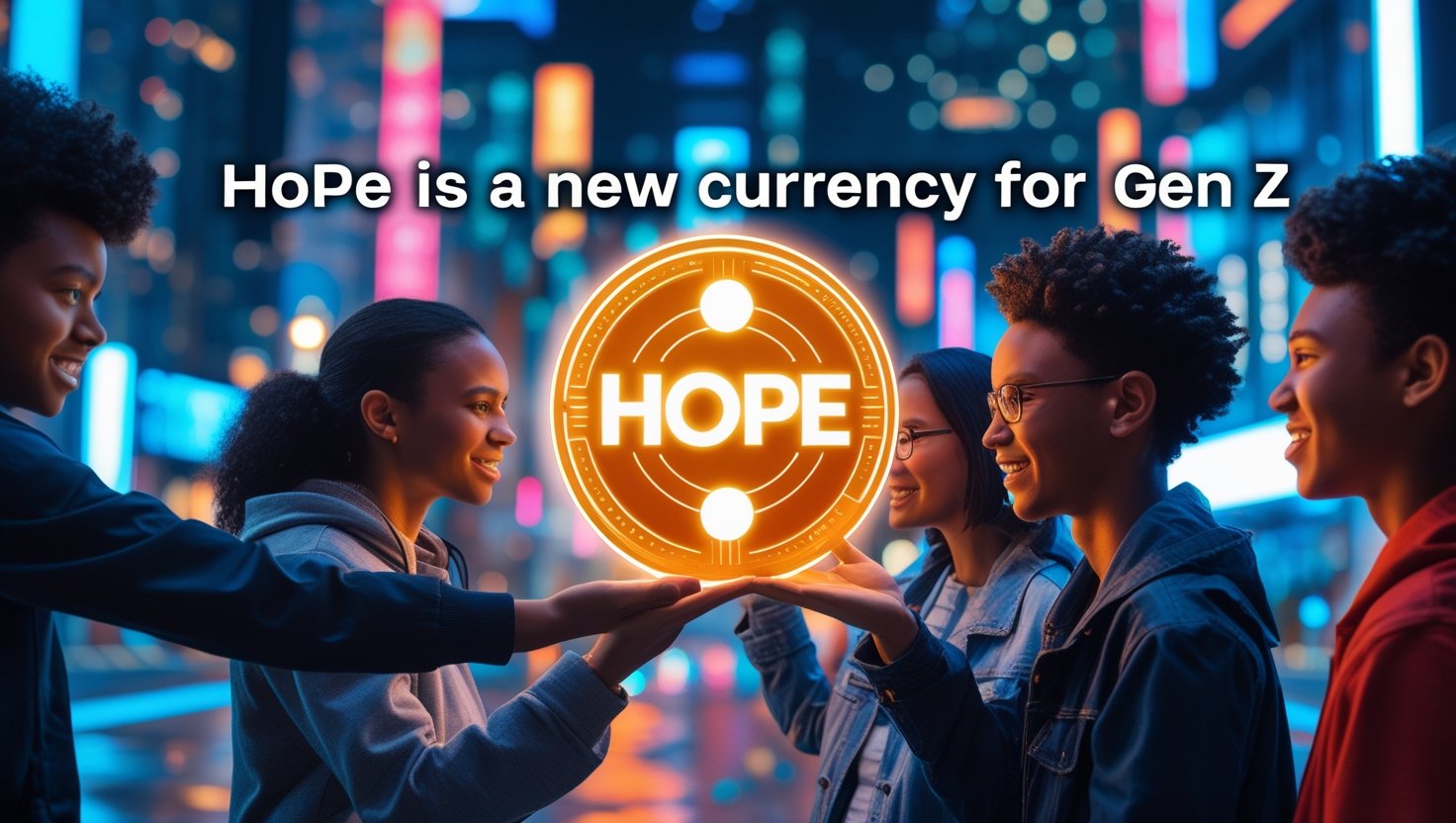
In the world of fast money, flashy lifestyles, and viral reels, one thing has become clearer than ever: hope has become the new currency. Especially for Gen Z, a generation raised on Instagram stories and YouTube shorts, hope is not just an emotion anymore; it has been turned into a commodity. From trading gurus who flaunt luxury cars to Telegram channels that promise daily profits, everything today is designed to sell one thing: hope. The sad reality is that behind this glittering curtain of promises lies a dark ecosystem of scams, manipulation, and exploitation.
The Rise of Dream Sellers:
Scroll through any social media platform, and you will be hit with a flood of reels and shorts showing self-proclaimed trading experts. They showcase their BMWs, Rolex watches, luxury vacations, and screenshots of profits in crores. The message is simple: “If I can do it, so can you. All you need is my course, my signals, or my Telegram group.”
This is the new breed of dream sellers. Unlike traditional conmen, they don’t knock on your doors. They sit in front of ring lights, record thirty-second motivational clips, and flood your feed until you start believing them. The result? Thousands of young people, desperate to escape their 9-to-5 grind, fall into the trap of believing that trading or investing is the fastest way to freedom and riches.
The truth, however, is far from what is displayed. According to SEBI reports, more than 90% of retail traders in India are in long-term losses. Despite this, new influencers pop up every day because the demand for hope has never been higher.
The Illusion of Quick Wealth:
What makes these scams so effective is the promise of instant results. Gen Z has grown up in a world of instant gratification, food deliveries in ten minutes, reels in under a minute, and dopamine hits with a single swipe. Naturally, when someone says you can double your money in a week or buy a luxury car in three months through trading, it doesn’t sound impossible anymore.
Fake profit screenshots become the backbone of this illusion. Influencers use simple editing tricks, like changing numbers in their trading terminals, to show massive profits. Digits after the decimal point remain frozen across different screenshots, revealing the obvious fraud. Yet many fail to notice because they are blinded by the hope of getting rich.
What people don’t realize is that these so-called trading experts often run multiple accounts. Out of five or six accounts, even if one shows a profit, they flaunt that as proof of their success while conveniently hiding the losses from the others. The profits they boast about are not a result of skill, but of selective display.
Telegram and WhatsApp – The New Scam Factories:
The new hotspots of these scams are Telegram and WhatsApp groups. These groups start by showing fake signals and testimonials, luring people into joining their “premium groups” for a small fee. Once they gain your trust with a few lucky predictions or fabricated results, they start upselling more expensive packages, one-on-one mentorships, or even asking for direct investments.
Some victims have lost not just thousands, but crores. Stories of people mortgaging their gold, selling their houses, or putting their exam savings into these schemes are far too common. Once the scammers get enough money, they delete the group and resurface with a new name, ready to trap more dreamers.
The business model is simple: show hope, sell hope, and then vanish.
Why Gen Z is the Perfect Target:
Every scam works best when it identifies the weakness of its target audience. For Gen Z, that weakness is the desire for freedom, quick success, and validation. This generation does not want to spend 10 years slowly climbing a corporate ladder. They want shortcuts. They want to be rich while they are still young, to enjoy life before it slips away.
Influencers play on this desire by portraying trading as an easy escape. “Quit your job, start trading, and live life on your terms” becomes the anthem. What they are actually selling is not trading strategies, but hope the hope of escaping reality without the hard work, time, and patience real success requires.
Hope becomes the bait, and desperation becomes the trap.
The Psychology of Hope:
To understand why scams thrive, one has to understand the psychology of hope. Hope is powerful. It allows people to endure hardships, to keep moving forward in difficult times. But in the wrong hands, hope becomes a tool of manipulation.
When someone has faced repeated failures, lost opportunities, or financial struggles, their rational thinking weakens. At that point, even a fake promise of doubling their money feels like a lifeline. This is why people who are already vulnerable students who failed exams, workers who lost jobs, or families burdened with debt are the easiest victims.
They don’t buy a trading course; they buy an escape. They don’t pay for mentorship; they pay for the possibility of a new life. For them, hope is more valuable than reality. And that’s why scammers thrive.
The Harsh Reality of Trading:
It is important to remember that trading itself is not wrong. Many professionals, institutions, and algorithmic traders make consistent profits. But these are people with years of experience, discipline, and resources. For the average retail investor, the odds are stacked against them.
According to SEBI’s data, only about 7% of retail traders make profits in the long run, and even among them, most profits are concentrated in the top 1%. These are not the Instagram mentors with ring lights; these are institutions, hedge funds, and seasoned professionals.
For everyone else, trading without proper knowledge and risk management is not wealth creation it is gambling. And gambling with your future rarely ends well.
The Business of Courses:
If trading was so profitable, why would anyone waste time selling courses for ₹499 or mentorships for ₹50,000? The answer is simple: their real income is not from trading but from selling courses. These courses often contain basic knowledge already available for free on YouTube.
Victims soon realize they have paid thousands for information that adds no real value. But by then, the influencer has already upsold them into more expensive programs, “VIP groups,” and fake one-on-one mentorships.
It is a cycle of exploitation that feeds on trust.
Fear and FOMO – The Driving Forces:
The two biggest weapons scammers use are fear and FOMO (fear of missing out). They create fear by saying, “You are missing out on once-in-a-lifetime opportunities.” They create FOMO by showing fake testimonials: “Look at all these people making money, why aren’t you?”
This psychological manipulation pressures people into acting fast without thinking critically. Limited seats, urgent deadlines, and flashy success stories—all designed to create panic-driven decisions.
But in reality, the seats never end, and the urgency is fake. The only thing real is the money victims lose.
Lessons for Gen Z:
So, what is the lesson here? Is trading a scam? No. The scam lies in how it is sold. Trading requires patience, discipline, and knowledge. It is not a magic formula for overnight wealth.
For Gen Z, the biggest takeaway is that shortcuts rarely lead to long-term success. Instead of chasing fake dreams sold by influencers, focus on building real skills, gaining experience, and investing in genuine knowledge. Hope is powerful, but it must be grounded in reality.
If hope is the new currency, then let it be invested in things that truly pay dividends: education, innovation, and skills, not in scams that vanish overnight.
Conclusion:
Hope has always been a driving force for humanity, but today it has been weaponized into a tool of exploitation. For Gen Z, who are constantly bombarded with shortcuts to wealth and freedom, it is crucial to understand the difference between genuine opportunities and scams dressed as success stories.
Trading is not the enemy, but the illusion of easy trading is. Influencers who flaunt cars, watches, and fake PNLs are not showing you reality; they are selling you hope. And while hope can keep you alive, blind hope can also destroy your future.
The real currency for Gen Z should not be fake hope but informed hope—hope built on skills, hard work, and authenticity. Because in the end, money can be earned and lost, but once trust is broken, it rarely comes back
FAQs:
- Is trading itself a scam, or just the way it’s being promoted?
Trading itself is not a scam. Professional traders, institutions, and hedge funds make consistent profits through years of experience, risk management, and discipline. The scam lies in how trading is marketed online, with influencers selling illusions of quick wealth through flashy lifestyles, fake screenshots, and overpriced courses. - Why is Gen Z more vulnerable to these trading scams?
Gen Z grew up in an era of instant gratification short videos, quick food deliveries, and rapid validation through likes and comments. This makes them more attracted to “get-rich-quick” schemes that promise instant success. Their desire for freedom, financial independence, and shortcuts makes them easy targets for scammers who sell hope disguised as trading strategies. - How do scammers create the illusion of success?
Scammers use fake profit screenshots, edited numbers, and selective display of winning trades while hiding their losses. They also flaunt luxury cars, watches, and vacations to make it seem like trading is their main income source. In reality, their biggest earnings often come from selling courses, mentorships, and paid Telegram groups. - What role do Telegram and WhatsApp groups play in these scams?
Telegram and WhatsApp have become scam factories where fraudsters run “signal” and “premium” groups. They lure victims with fabricated testimonials and free signals, then upsell expensive memberships or mentorships. Once enough money is collected, scammers vanish by deleting groups and reappearing under new names. - What lessons should Gen Z take away from these scams?
The main lesson is that there are no shortcuts to real wealth. Hope is powerful, but must be grounded in reality. Instead of chasing fake dreams sold by influencers, Gen Z should invest in building real skills, gaining knowledge, and practicing patience. Informed hope based on hard work and authenticity is the true currency for long-term success.

