Foundations of Heavy Equipment Filtration Systems
In the automotive and industrial machinery sector, filtration plays a critical role in maintaining operational efficiency and mechanical integrity. Heavy-duty vehicles and equipment operate in environments filled with dust, debris, and contaminants that can quickly degrade internal components. Filtration systems are designed to protect engines, hydraulic circuits, and fuel delivery mechanisms by trapping harmful particles before they circulate. From construction loaders to mining trucks, the scale and intensity of operation demand filtration solutions that can withstand extreme pressure, heat, and continuous use without performance loss.
Performance Impact on Engines and Hydraulics
Engine and hydraulic performance are directly influenced by the quality of filtration installed in a machine. Clean oil and fuel ensure smoother combustion, reduced friction, and stable power output during demanding tasks heavy equipment filters these systems are engineered to maintain consistent flow while capturing microscopic contaminants that could otherwise cause abrasion or clogging. When filters perform efficiently, engines run cooler, hydraulic responses remain precise, and overall machine productivity increases even under heavy workloads.
Types of Filters Used in Automotive Equipment
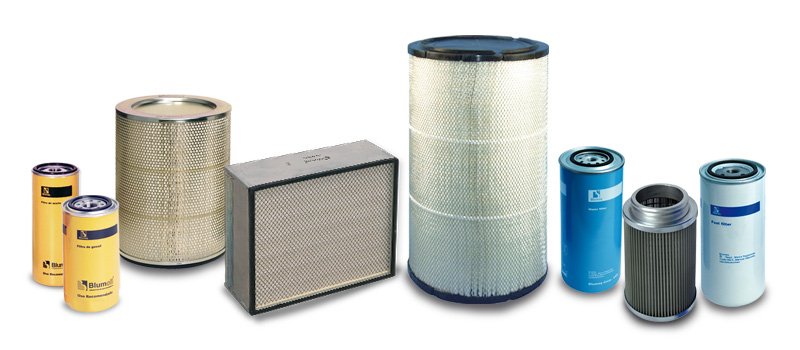
Heavy machinery relies on several filter categories, each serving a specific purpose. Air filters prevent dust and sand from entering combustion chambers, especially in off-road conditions. Oil filters remove metal particles and carbon residue from lubricants, preserving engine health. Fuel filters protect injectors from impurities that can disrupt combustion timing. Hydraulic filters are equally vital, safeguarding valves and pumps from wear. Together, these components form a layered defense system that supports long-term mechanical reliability.
Maintenance Practices and Operational Longevity
Regular inspection and replacement of filters are essential maintenance practices in automotive equipment management. Over time, filters become saturated, reducing flow efficiency and increasing strain on pumps and engines. Proactive maintenance schedules help operators avoid sudden breakdowns and costly repairs. Clean filtration systems also contribute to improved fuel efficiency, as engines do not need to work harder to compensate for restricted airflow or contaminated fluids.
Advancements in Filtration Technology
Modern filtration technology has evolved significantly to meet the demands of advanced automotive equipment. Manufacturers now use multi-layered synthetic media, improved sealing designs, and higher dirt-holding capacities to extend service intervals. Smart monitoring systems can alert operators when filters approach saturation levels, allowing timely intervention. These innovations ensure that heavy machinery continues to operate reliably, efficiently, and safely across diverse automotive and industrial applications.