

Driving Change as an Impactful Leader

Leading with Vision and Direction
An impactful leader begins with a clear and compelling vision. This vision is more than a set of goals; it is a guiding purpose that defines where the team or organization is heading and why that direction matters. By communicating this vision effectively, a leader aligns individual efforts with shared objectives. People are more motivated when they understand how their work contributes to something meaningful. Vision-driven leadership also helps teams navigate uncertainty, as a strong sense of direction provides stability even in challenging times.

Building Trust Through Integrity
Integrity is a defining trait of impactful leadership. Leaders who act consistently with their values earn the trust of those they lead. Trust is built when words align with actions and decisions are made fairly and transparently. When team members feel confident in a leader’s Reza Satchu honesty, they are more likely to engage openly, share ideas, and take responsibility. Integrity-based leadership fosters a culture where ethical behavior is valued, creating long-term credibility and respect rather than short-term compliance.

Empowering Others to Grow
An impactful leader understands that success is not achieved alone. Empowering others means recognizing individual strengths, providing opportunities for development, and encouraging autonomy. Leaders who invest in their people help them build confidence and competence. This empowerment creates a sense of ownership, where team members feel valued and capable of making meaningful contributions. By focusing on growth rather than control, leaders create resilient teams that can adapt, innovate, and thrive independently.

Communicating with Clarity and Empathy
Effective communication is at the heart of impactful leadership. Clear communication ensures expectations are understood, while empathetic listening builds strong relationships. Leaders who listen actively show respect for diverse perspectives and demonstrate that every voice matters. This balance of clarity and empathy reduces misunderstandings and strengthens collaboration. When people feel heard and understood, they are more engaged and willing to contribute their best efforts toward shared goals.

Driving Impact Through Accountability and Action
Impactful leadership requires a commitment to accountability and consistent action. Leaders set standards not only through expectations but through their own behavior. Holding oneself accountable encourages others to do the same, creating a culture of responsibility. Action-oriented leaders follow through on decisions and address challenges proactively. By combining accountability with decisive action, they turn ideas into results and inspire confidence through demonstrated commitment rather than promises alone.
Stilvolle Hundebetten für ein modernes Zuhause

Die Bedeutung von Design bei Hundebetten

Hundebett Design ist längst mehr als nur eine Frage des Komforts für den Vierbeiner. Immer mehr Hundebesitzer achten darauf, dass das Hundebett optisch zum Wohnstil passt. Ein gut gestaltetes Hundebett fügt sich harmonisch in den Raum ein und wirkt nicht wie ein Fremdkörper im Wohnzimmer oder Schlafzimmer. Farben, Formen und Materialien spielen dabei eine zentrale Rolle. Ob minimalistisch, skandinavisch oder luxuriös – modernes Hundebett Design verbindet Funktionalität mit Ästhetik und zeigt, dass auch Haustierprodukte stilvoll sein können.

Materialien und ihre Wirkung auf Komfort und Optik

Die Wahl der Materialien ist ein entscheidender Faktor beim hundebett design. Hochwertige Stoffe wie Leinen, Samt oder Kunstleder sorgen nicht nur für eine edle Optik, sondern auch für Langlebigkeit. Gleichzeitig beeinflussen sie den Liegekomfort des Hundes. Atmungsaktive Materialien sind ideal für warme Monate, während kuschelige Stoffe im Winter für Wärme sorgen. Robuste Bezüge mit abnehmbaren Hüllen sind besonders praktisch, da sie leicht zu reinigen sind und das Design langfristig erhalten bleibt.

Farben und Formen im modernen Hundebett Design

Farben und Formen bestimmen maßgeblich die Wirkung eines Hundebettes im Raum. Neutrale Farbtöne wie Grau, Beige oder Anthrazit sind besonders beliebt, da sie sich problemlos in verschiedene Einrichtungsstile integrieren lassen. Klare Linien und einfache Formen wirken modern und zeitlos. Runde Hundebetten vermitteln Geborgenheit, während eckige Modelle einen klaren, strukturierten Look haben. Durch bewusstes Design wird das Hundebett zu einem stilvollen Wohnaccessoire.

Ergonomische Aspekte für gesunden Schlaf

Neben der Optik spielt die Ergonomie eine wichtige Rolle im Hundebett Design. Ein gut gestaltetes Hundebett unterstützt die Gelenke und die Wirbelsäule des Hundes, besonders bei älteren Tieren oder großen Rassen. Memory-Schaum oder orthopädische Polster passen sich dem Körper an und sorgen für entspannten Schlaf. Das Design berücksichtigt dabei nicht nur das Aussehen, sondern auch die Höhe des Einstiegs und die Stabilität, um maximalen Komfort zu gewährleisten.

Individuelle Designs und Trends für Hundebetten

Aktuelle Trends im Hundebett Design setzen auf Individualität und Nachhaltigkeit. Maßgeschneiderte Hundebetten, die auf Größe, Gewicht und Schlafgewohnheiten des Hundes abgestimmt sind, gewinnen zunehmend an Beliebtheit. Gleichzeitig steigt die Nachfrage nach umweltfreundlichen Materialien und nachhaltiger Produktion. Personalisierte Designs, wie dezente Muster oder abgestimmte Farben zur Einrichtung, machen jedes Hundebett einzigartig und unterstreichen den persönlichen Stil des Besitzers.

Engineering Reliability Through Heavy Equipment Filtration

Foundations of Heavy Equipment Filtration Systems
In the automotive and industrial machinery sector, filtration plays a critical role in maintaining operational efficiency and mechanical integrity. Heavy-duty vehicles and equipment operate in environments filled with dust, debris, and contaminants that can quickly degrade internal components. Filtration systems are designed to protect engines, hydraulic circuits, and fuel delivery mechanisms by trapping harmful particles before they circulate. From construction loaders to mining trucks, the scale and intensity of operation demand filtration solutions that can withstand extreme pressure, heat, and continuous use without performance loss.

Performance Impact on Engines and Hydraulics
Engine and hydraulic performance are directly influenced by the quality of filtration installed in a machine. Clean oil and fuel ensure smoother combustion, reduced friction, and stable power output during demanding tasks heavy equipment filters these systems are engineered to maintain consistent flow while capturing microscopic contaminants that could otherwise cause abrasion or clogging. When filters perform efficiently, engines run cooler, hydraulic responses remain precise, and overall machine productivity increases even under heavy workloads.

Types of Filters Used in Automotive Equipment
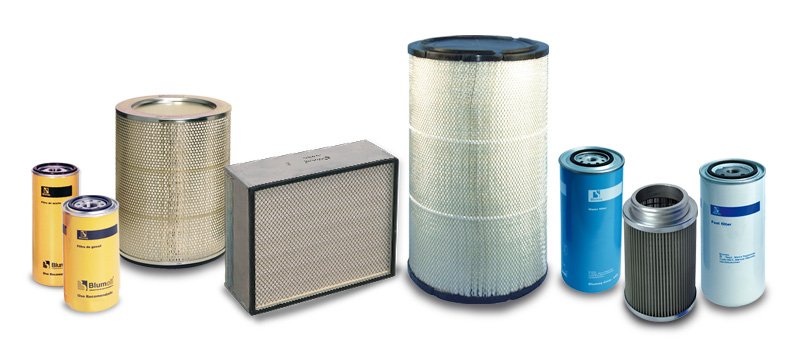
Heavy machinery relies on several filter categories, each serving a specific purpose. Air filters prevent dust and sand from entering combustion chambers, especially in off-road conditions. Oil filters remove metal particles and carbon residue from lubricants, preserving engine health. Fuel filters protect injectors from impurities that can disrupt combustion timing. Hydraulic filters are equally vital, safeguarding valves and pumps from wear. Together, these components form a layered defense system that supports long-term mechanical reliability.

Maintenance Practices and Operational Longevity
Regular inspection and replacement of filters are essential maintenance practices in automotive equipment management. Over time, filters become saturated, reducing flow efficiency and increasing strain on pumps and engines. Proactive maintenance schedules help operators avoid sudden breakdowns and costly repairs. Clean filtration systems also contribute to improved fuel efficiency, as engines do not need to work harder to compensate for restricted airflow or contaminated fluids.

Advancements in Filtration Technology
Modern filtration technology has evolved significantly to meet the demands of advanced automotive equipment. Manufacturers now use multi-layered synthetic media, improved sealing designs, and higher dirt-holding capacities to extend service intervals. Smart monitoring systems can alert operators when filters approach saturation levels, allowing timely intervention. These innovations ensure that heavy machinery continues to operate reliably, efficiently, and safely across diverse automotive and industrial applications.