

Power BI Microsoft Fabric as a Unified Analytics Experience

Understanding Power BI Within Microsoft Fabric
Power BI Microsoft Fabric represents a new generation of analytics where data visualization, engineering, and governance are brought together in one ecosystem. Power BI remains the familiar business intelligence layer, but Fabric expands its reach by embedding it into a broader platform that unifies data ingestion, transformation, storage, and reporting. Instead of working with disconnected tools, users can access datasets, reports, and pipelines in a single environment. This integration allows organizations to move from raw data to insights faster while maintaining consistency across all analytics assets.

OneLake and Centralized Data Access
A key strength of Power BI Microsoft Fabric is OneLake, a centralized data lake that serves as the foundation for analytics. OneLake eliminates data silos by Power BI storing information in a single, logical location while still supporting multiple workloads. Power BI can directly connect to OneLake, enabling real-time analysis without unnecessary data duplication. This approach improves performance and ensures that reports are always based on the most current and governed data. Analysts benefit from simplified access, while IT teams gain better control over data management.

End-to-End Analytics for Business Teams
Microsoft Fabric enhances Power BI by supporting the entire analytics lifecycle, from data engineering to visualization. Data engineers can prepare and transform data using Fabric tools, while business users consume that data through interactive Power BI dashboards. This end-to-end workflow reduces handoffs between teams and minimizes delays. Power BI reports built within Fabric are tightly connected to underlying data models, ensuring accuracy and reliability. As a result, organizations can align technical and business users around a single source of truth.

Scalability and Performance Optimization
Power BI Microsoft Fabric is designed to scale with organizational needs, whether for small teams or large enterprises. Fabric’s cloud-native architecture automatically manages compute resources, allowing reports and datasets to handle growing data volumes efficiently. Power BI benefits from optimized performance through shared capacities and intelligent caching. This scalability ensures that users experience fast, responsive dashboards even as data complexity increases, making it suitable for both operational reporting and strategic analysis.

Governance, Security, and Collaboration
Governance is deeply embedded in Power BI Microsoft Fabric, providing consistent security and compliance across analytics assets. Role-based access control, data lineage, and sensitivity labels help organizations protect sensitive information while enabling collaboration. Power BI reports inherit these governance policies automatically, reducing the risk of unauthorized access. At the same time, Fabric promotes teamwork by allowing multiple users to work on shared datasets and reports, fostering collaboration without compromising data integrity.
Your Home with House Washing

Understanding House Washing
House washing is more than just a cosmetic upgrade; it’s an essential part of home maintenance. Over time, dirt, dust, mold, and mildew accumulate on exterior surfaces, causing them to look dull and potentially leading to structural damage. This process involves carefully cleaning the exterior walls, roof, and other surfaces using specialized techniques and cleaning solutions. Whether you have vinyl siding, brick, or stucco, house washing can restore your home’s original beauty while preventing long-term deterioration.

Techniques for Effective Cleaning
Several techniques are used for house washing, with soft washing and pressure washing being the most common. Soft washing uses low-pressure water combined with house washing environmentally friendly cleaning solutions to remove algae, mildew, and stains without damaging delicate surfaces. Pressure washing, on the other hand, employs high-pressure water to remove stubborn dirt and debris from harder surfaces. Choosing the right method depends on the material of your home’s exterior and the severity of the buildup, ensuring effective cleaning without causing harm.

Benefits of Regular House Washing
Maintaining a regular house washing schedule offers both aesthetic and practical benefits. Clean exteriors improve curb appeal, making your home more inviting and potentially increasing its market value. Additionally, removing mold, mildew, and dirt protects your surfaces from decay, reducing the need for costly repairs. Regular cleaning also promotes a healthier living environment by minimizing allergens and pollutants that can accumulate on exterior surfaces.

Choosing the Right Professionals
While DIY house washing is possible, hiring professional services often yields the best results. Experts have the right equipment, cleaning solutions, and experience to handle different exterior materials safely and efficiently. They also understand how to protect landscaping, windows, and other sensitive areas during the cleaning process. Investing in professional house washing ensures thorough cleaning while minimizing the risk of accidental damage, saving both time and effort.

Maintaining Long-Term Cleanliness
After a professional wash, maintaining your home’s appearance is easier with simple upkeep practices. Regularly rinsing surfaces with a garden hose, trimming nearby plants, and addressing any mold or algae growth promptly can extend the results of a professional wash. Additionally, inspecting your home for cracks or damage after cleaning allows for early intervention, preventing long-term issues. Consistent maintenance ensures your home stays fresh, attractive, and structurally sound for years to come.

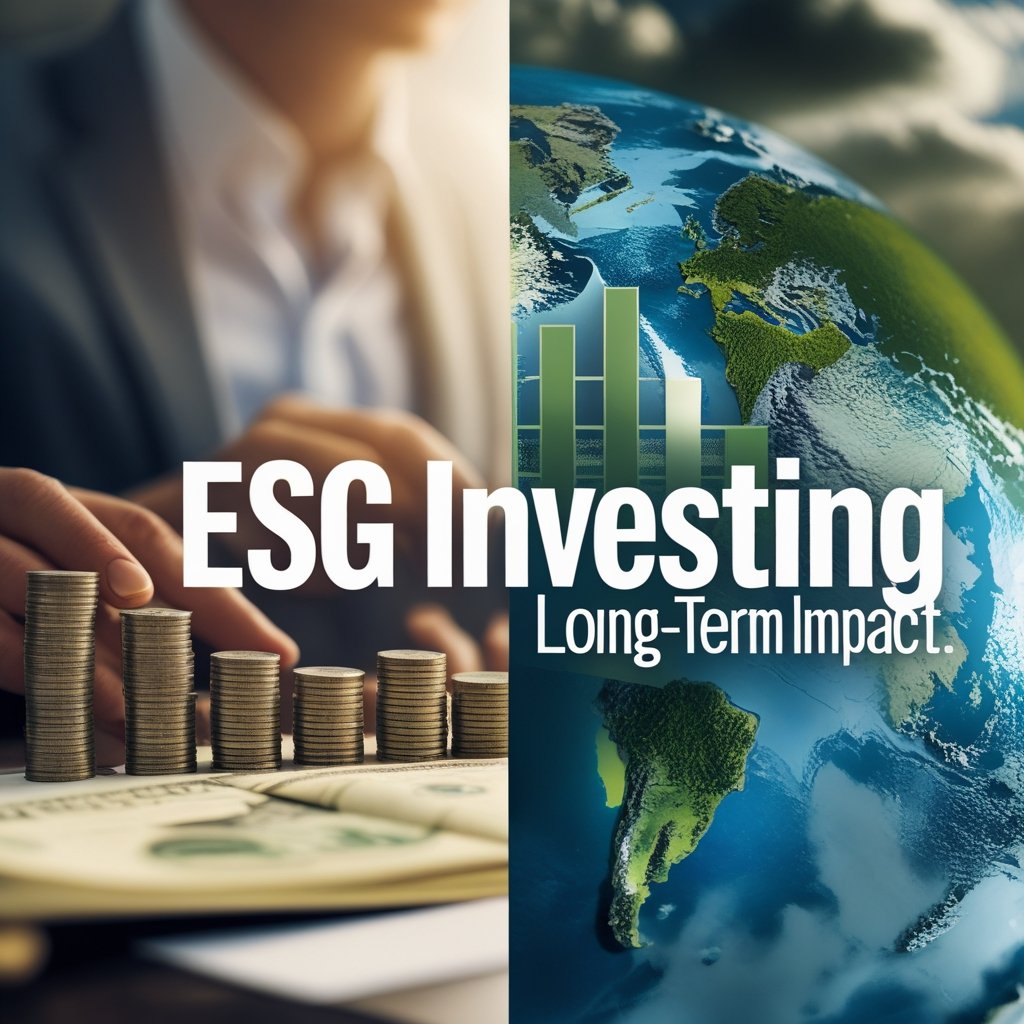
ESG Investing: Aligning Profits with Purpose

ESG: (Environmental, Social, and Governance) investing has gained meaningful traction in current years as investors increasingly seek to align their financial goals with their values. This approach goes beyond traditional financial metrics, integrating environmental guardianship, social responsibility, and ethical governance into the investment process. By examining these factors, ESG investing aims to promote enduring business practices that perk both society and the environment, while also delivering long-term financial returns.

Environmental Criteria:

In ESG investing environmental factors center on a company’s environmental impact. This includes evaluating how well a business manages waste uses renewable resources and its carbon footprint. In ESG portfolios companies that aggressively minimize their environmental impact cut greenhouse gas emissions and place a high priority on sustainability are frequently recommended. Viewed as a means of endorsing companies that make environmentally beneficial contributions investors may be able to mitigate long-term climate change risks.
2. Social Criteria:
The management of a company’s relationships with its suppliers customers workers and the communities in which it operates is analyzed by social factors. This involves assessing community involvement diversity and inclusion initiatives and labor practices. Businesses are perceived as having a higher chance of preserving a positive brand reputation and cultivating enduring customer loyalty when they place a high priority on treating employees fairly encouraging diversity and implementing ethical supply chain management.

Governance Criteria:

A company’s management and governance are influenced by its governance factors. Examining board makeup CEO pay shareholder rights and corporate transparency are a few examples of this. In addition to reducing the likelihood of corporate scandals or poor management strong governance procedures guarantee that a business operates morally and is answerable to its stakeholders. Because these traits frequently result in stable and sustainable growth investors prefer businesses with transparent leadership and moral decision-making.

The Appeal of ESG Investing:
ESG investing appeals to a wide range of investors, from individuals who want their investments to reflect their values to large institutional investors seeking to manage risks associated with environmental and social issues. Research has shown that companies with strong ESG practices often exhibit lower volatility and higher long-term performance, making ESG investing not only a socially responsible choice but also a financially sound one.

High-Frequency Trading: Speed and Strategy in the Financial Markets

High-Frequency Trading (HFT):

High-frequency trading (HFT) is a highly skilled form of trading that depends on powerful algorithms and cutting-edge technology to execute large volumes of trades in fractions of a second. This practice is characterized by its speed, efficiency, and ability to capitalize on minute price discrepancies in the market. HFT has become a dominant force in modern financial markets, influencing everything from stock prices to market liquidity.

  1. The Mechanics of HFT:

HFT companies simultaneously search multiple markets using sophisticated algorithms to find even the smallest price variations in securities. The algorithm trades at breakneck speed frequently in milliseconds as soon as it detects an opportunity. Although the profit on these trades is usually very small the sheer volume of transactions can result in large overall gains. The ability to analyze enormous volumes of data and execute trades more quickly than human traders can respond is essential to HFT’s success.


2. The Impact on Markets:
HFT has improved market liquidity dramatically facilitating faster buying and selling of securities by traders. But it has also brought forth new difficulties such as heightened market turbulence and questions regarding market justice. HFTs detractors contend that it can lead to an unfair playing field where traditional investors are outperformed by companies with the newest technology. Furthermore, as incidents like the 2010 Flash Crash demonstrate the speed and complexity of HFT can occasionally result in unanticipated market disruptions.

3. The Future of HFT:
As technology continues to advance, HFT is likely to become even more advance, with firms seeking new ways to get a competitive edge. However, this evolution will also bring increased regulatory scrutiny as authorities work to ensure market stability and fairness. For investors, understanding the role of HFT in the market is crucial for navigating the fast-paced world of modern finance.

Conclusion
Both ESG investing and High-Frequency Trading represent significant developments in the world of finance, each with its unique impact and implications. ESG investing reflects a growing desire among investors to make socially responsible choices that contribute to a sustainable future, while HFT showcases the power of technology and strategy in driving financial markets. Whether driven by values or velocity, these approaches highlight the diverse and dynamic nature of modern investing.