Transform Your Living Space with Pristine Carpets

Importance of Regular Carpet Cleaning
Maintaining clean carpets is essential for a healthy and inviting home environment. Over time, carpets accumulate dust, dirt, allergens, and bacteria that can affect indoor air quality and trigger allergies. Regular carpet cleaning not only improves the aesthetic carpet cleaning Mernda appeal of your rooms but also extends the lifespan of the carpet fibers. Homeowners who schedule consistent cleaning sessions often notice a fresher, brighter look in their living spaces and a significant reduction in unpleasant odors.

Choosing the Right Cleaning Method
Carpet cleaning can be done using various techniques, including steam cleaning, dry cleaning, and shampooing. Steam cleaning, also known as hot water extraction, penetrates deep into carpet fibers to remove embedded dirt and germs. Dry cleaning methods use specialized powders or foam for quick cleaning without excessive moisture. Selecting the right method depends on carpet type, level of soiling, and household needs. Consulting professionals ensures the cleaning process is effective and does not damage the carpet.

DIY Carpet Cleaning Tips
For minor spills or routine maintenance, DIY carpet cleaning can be highly effective. Vacuuming regularly is the first line of defense against dust and debris. For stains, using mild detergents, vinegar, or baking soda can lift marks without harsh chemicals. Spot cleaning immediately after spills prevents permanent stains and keeps carpets looking fresh longer. Additionally, rotating rugs and using protective mats in high-traffic areas can reduce wear and tear, making home carpets more durable.

Benefits of Professional Services
Hiring professional carpet cleaning services provides a deeper clean than typical home methods. Professionals have access to industrial-grade equipment and specialized solutions that remove stubborn dirt, allergens, and bacteria. They can also restore carpets with tough stains or high foot traffic areas that DIY methods cannot handle. Moreover, professional cleaning saves time and effort, allowing homeowners to focus on other household tasks while ensuring a thorough and long-lasting result.

Maintaining Clean Carpets Long-Term
After a professional or DIY cleaning, maintaining cleanliness is crucial. Regular vacuuming, immediate attention to spills, and using carpet protectors can prolong the effects of cleaning. Scheduling professional deep cleaning at least once or twice a year ensures that carpets remain sanitary and vibrant. Maintaining carpets properly not only enhances home aesthetics but also contributes to a healthier living environment and preserves the investment in quality flooring.

Revitalize Your Property with Professional Pressure Washing

Sunshine Coast Pressure Washing offers homeowners and businesses a reliable solution for maintaining clean and appealing properties. Over time, dirt, algae, moss, and grime accumulate on surfaces, diminishing the overall appearance of buildings and outdoor areas. Professional pressure washing not only restores the aesthetic appeal but also protects the Sunshine Coast Pressure Washing integrity of surfaces. By using advanced equipment and eco-friendly cleaning solutions, experts ensure thorough cleaning without causing damage, making properties look fresh and well-maintained.

Residential Pressure Washing Services
Homeowners on the Sunshine Coast can benefit greatly from residential pressure washing services. Driveways, patios, decks, and exterior walls are particularly vulnerable to dirt buildup and algae growth. Regular pressure washing helps prevent staining and reduces the need for costly repairs or replacements. Skilled technicians customize their approach based on the surface type, ensuring safe and effective cleaning. This service is ideal for those looking to enhance curb appeal or prepare a property for sale, creating a clean and inviting environment.

Commercial Pressure Washing Solutions
Businesses on the Sunshine Coast also rely on pressure washing to maintain professional appearances. Storefronts, parking lots, and sidewalks accumulate dirt, gum, and other debris that can negatively impact customer perception. Commercial pressure washing not only improves aesthetics but also promotes safety by removing slippery surfaces. Companies offering these services understand the unique needs of commercial clients, providing flexible scheduling to minimize disruption to daily operations while delivering outstanding results.

Eco-Friendly Cleaning Practices
Modern pressure washing services prioritize environmentally friendly cleaning methods. Sunshine Coast Pressure Washing providers often use biodegradable detergents and water-efficient techniques to minimize environmental impact. This approach ensures that cleaning processes do not harm plants, pets, or surrounding ecosystems. Choosing eco-conscious services allows property owners to maintain cleanliness responsibly, combining high performance with sustainability for both residential and commercial spaces.

Benefits of Hiring Professional Pressure Washers
Hiring a professional pressure washing service offers numerous advantages. Experts possess the experience and equipment to tackle even the toughest cleaning challenges, saving clients time and effort. Professional services also help extend the lifespan of surfaces by preventing mold, mildew, and decay. Additionally, pressure washing can increase property value, making it a smart investment for homeowners and businesses alike. With skilled technicians on hand, properties on the Sunshine Coast can achieve a pristine, well-maintained look year-round.

The Role of Student Advocacy in School Policy:

Every school’s mission is not only to design a syllabus and exams. Whenever creating a better society for living, but if the polices of the school are only created by the principals and teachers or and administrators, students will not participate in policy-making, so the system will remain incomplete.

The meaning of student advocacy is students raising their voices and highlighting the issues they are facing in their learning process, because in this era, the student is not only in the role of learning, but they are play a vital role in decision making for polices. They are now the stakeholders who understand their surroundings and play a role in the betterment of their environment.

When one student raises their voice on any particular issue or demands a support program so he is not only demanding for their own but are also for the betterment of their whole school system. It is essential that educational institutions don’t just listen to student voices, but take them seriously. When a student feels that his or her voice matters, his or her confidence increases, leadership skills develop, and the school environment becomes inclusive. This introduction is important so that we understand that the role of student advocacy is not just an option, but a necessity within every school.

2. Understanding Student Advocacy:

The real meaning of student advocacy is that students raise their voices on their own behalf for their rights or raise their voices on behalf of their fellows, so they openly support one another’s issues or changes in the rule book of schools on a specific rule to create a healthy environment for students. Advocacy is the basic right of students, be they a class monitor or a common student.

A simple example of this could be that if they are not getting proper food in the school canteen, then the students start a petition and demand healthy options from the administration. Or if a student is being subjected to unfair behavior, then other students come together in his support.

Advocacy is not just about raising a voice; it also means creating an impact. For this, students have to do research, explain their point with finesse and logic, and sometimes even formally talk to the school authorities. When students express their perspective confidently, they not only solve their problems but also make their school culture democratic. It is important to understand that advocacy is not rebellion but rather part of the constructive dialogue that every school needs.

3. How Student Advocacy Shapes School Policies:

When students raise their voices, they directly impact school policies. There are examples in many schools where students got a rule changed or new programs introduced. For example, some students campaigned for mental health awareness, and the school arranged counseling sessions. Similarly, flexibility was introduced in dress code policies in many places when students pointed out that some rules were outdated or discriminatory.

This process is not always easy, but when students are organized, there is logic in their words, and they talk respectfully to the administration, it is possible to make changes. Student councils or representative groups are also a part of this, through which students raise their voices for their peers. Policies should not be made from the perspective of adults alone, because students are the ones who are affected by those rules. Policies become more relevant and practical when they are directly involved. It is important to understand that school rules are for the students, so students have a right and a need to participate in the making of those rules. When this culture develops, school becomes a shared space where everyone’s voice is heard.

4. Benefits of Including Students in Policy Discussions:

When students are taking part in policy-making discussions so the effect will not be limited to their feelings but also its impacts on the whole school environment.

The first benefit is that they thought their voices had value in the sight of the school administration, which helps to boost their self-confidence.

The second benefit is that a sense of responsibility is developed in their mind because when they are part of policy-making, they will help in the implementation of policy in their schools.

The third benefit is that teachers and administrators will discover the new perspectives that are often do not know.

Students are in the ground reality, they know what is creating issues. When policies are based on students’ feedback, their acceptance level also increases because students consider it their own. This process is inclusive, where everyone is made an equal partner. Such a culture makes the school not only democratic but also more effective and harmonious. When students feel that they are not just followers of the rules but also their designers, they are more motivated to follow the school’s norms and values. This builds mutual trust, which is fundamental for every successful school.

5. Barriers to Student Advocacy and How to Overcome Them:

As important as student advocacy is, implementing it can be difficult.

The first barrier is resistance from adults. Many teachers and principals feel that students are immature and should not be taken seriously.

Another issue is that students do not have platforms where they can share their ideas or concerns. In some schools, student councils exist just in name and have no real power.

The third barrier is fear; many students keep quiet, thinking that they might be punished for their views. The first step to overcoming these barriers is for school leadership to change its mindset.

They must view these students as collaborators, not just followers. Second, these students must be formally trained so they can learn to present their arguments with decency and data. They must be taught public speaking, negotiation, and respectful communication. Third, these schools must have clear and safe mechanisms for students to raise their voices, like feedback boxes, regular meetings, or online suggestion forms. When these things are in place, barriers gradually break down and advocacy becomes easier. In this process, both support and understanding are required.

6. Conclusion:

If schools are to be truly inclusive and future-ready, they must be designed with students, not just for them. When students are active participants in a school’s decision-making rather than just a passive part of it, the system becomes more powerful and responsive. This is not just a theoretical idea but a practical strategy that has proven successful in many schools around the world. Student advocacy not only challenges unfair policies but also comes up with new solutions that the administration may not have even considered. This develops a culture of dialogue, trust, and collaboration, and these three things are the foundation of any successful institution.

Ultimately, if we want students to become responsible citizens, we must give them opportunities for leadership and advocacy from now on. This is their right as well as our responsibility. Therefore, the time has come to stop running schools only on a top-down model and make students equal partners in that process. Only then will we be able to build schools that are truly for everyone.

FAQs:

1. What is student advocacy and why is it important in schools?
Student advocacy means students raising their voices for their rights or on behalf of their peers to improve their learning environment. It is important because it empowers students to actively participate in shaping school policies, boosts their confidence, and helps schools become more inclusive and democratic.

2. How does student advocacy influence school policy-making?
When students express their concerns or suggest improvements, it can directly impact school policies. For example, changes to dress codes, the introduction of mental health programs, or improvements in cafeteria food have often come from student-led initiatives. Their feedback ensures that policies reflect the actual needs of the students.

3. What are the benefits of including students in school policy discussions?
Including students fosters a sense of responsibility, boosts their confidence, and provides school authorities with firsthand insight into real student issues. Policies created with student input are more likely to be accepted and followed because students feel ownership over them.

4. What challenges do students face in advocating for change, and how can these be overcome?
Common barriers include resistance from adults, lack of proper platforms, and student fear of punishment. These can be overcome by changing adult mindsets, offering advocacy training to students, and creating safe, structured systems (like feedback boxes or open forums) for students to share concerns.

5. Why should schools shift from a top-down model to a more inclusive one with student participation?
A top-down model often overlooks student perspectives. By involving students as equal partners, schools become more responsive, fair, and effective. This prepares students for active citizenship, encourages leadership, and strengthens the school’s overall environment through collaboration and mutual trust.

Tokyo Car Hire with Reliable English Support

Seamless Communication for International Drivers
Tokyo car hire services with English support are designed to remove language barriers for international visitors. From online reservations to in-person assistance, English-speaking staff help travelers understand rental terms, insurance options, and local driving rules. This clear communication is especially valuable in a city as busy as Tokyo, where misunderstandings can lead to stress or delays. With professional English support, foreign drivers can ask questions confidently, receive accurate answers, and complete the rental process smoothly without relying on translation apps or guesswork.

Easy Booking and Clear Rental Procedures
One of the major advantages of Tokyo car hire with English support is the simplified booking experience. Websites and mobile platforms are often fully available in Tokyo car hire English support English, allowing customers to compare vehicles, prices, and rental conditions easily. At the counter, English-speaking agents explain documentation requirements such as international driving permits and passports. This clarity helps travelers avoid unexpected fees and ensures they understand fuel policies, mileage limits, and return conditions before driving away.

Navigation Assistance and Local Driving Guidance
Driving in Tokyo can feel overwhelming due to complex roads, expressways, and traffic rules. Car hire companies offering English support often provide navigation systems with English menus and voice guidance. Staff can also explain toll roads, parking systems, and city driving etiquette in simple terms. This guidance helps foreign drivers feel more confident behind the wheel, whether they are navigating central Tokyo or planning road trips to nearby destinations like Mount Fuji or Hakone.

Vehicle Options Tailored for Foreign Visitors
Tokyo car hire services with English support typically offer a wide range of vehicles suitable for international travelers. Compact cars are popular for city driving, while larger vehicles and vans are available for families or group travel. English-speaking staff help customers choose the right vehicle based on luggage needs, travel distance, and comfort preferences. Automatic transmission cars are widely available, which is especially helpful for drivers unfamiliar with manual systems commonly used in Japan.

Customer Support Throughout the Rental Period
English support does not end once the car is picked up. Many Tokyo car hire providers offer ongoing customer assistance in English during the rental period. This includes roadside support, accident guidance, and help with extensions or changes to the booking. Knowing that assistance is available in English gives travelers peace of mind, allowing them to focus on enjoying their journey through Tokyo and beyond with confidence and convenience.

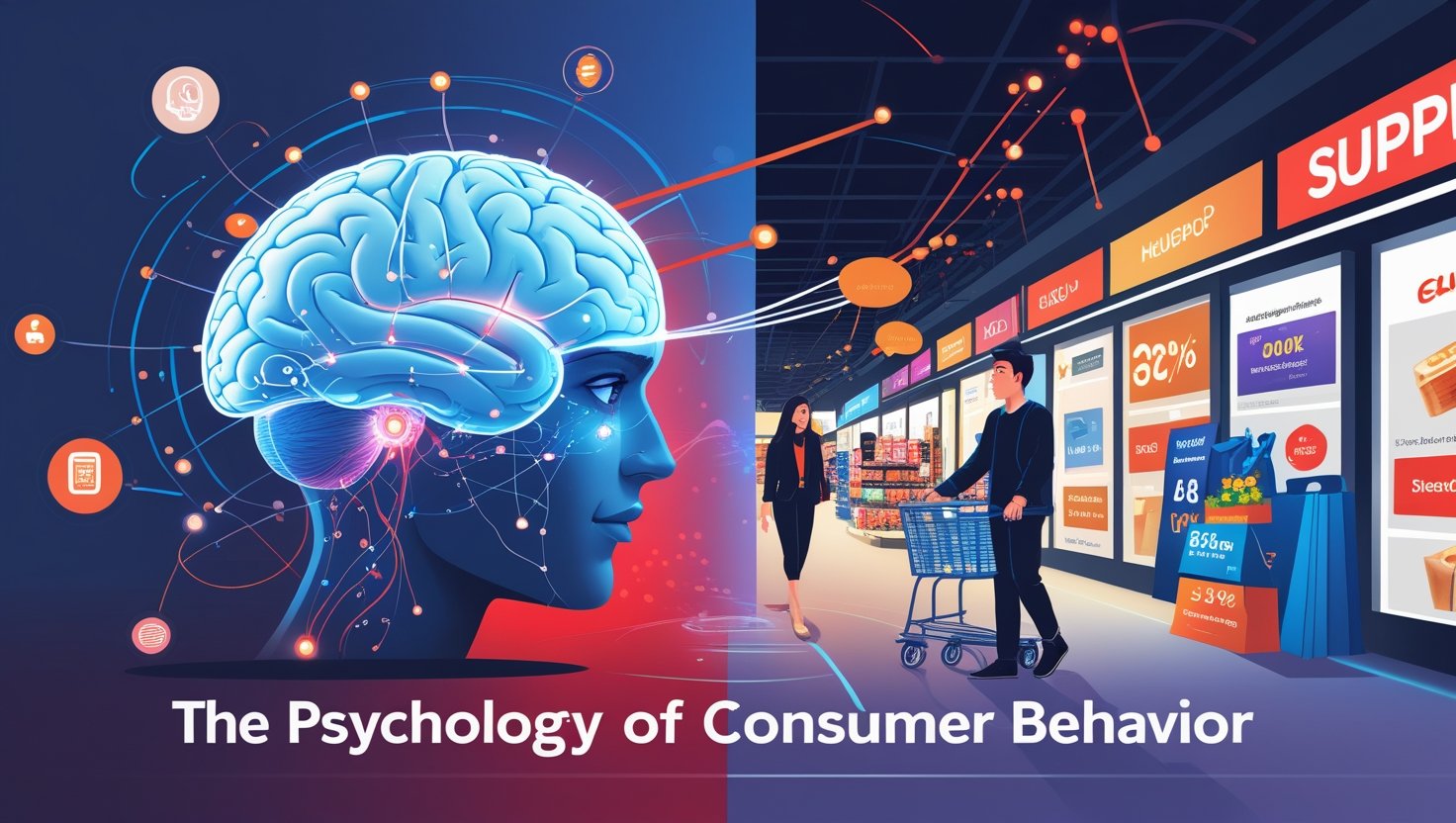
The Psychology of Consumer Behavior: Why We Buy What We Buy:

Consumer behaviour means what people buy, why they buy, when and how they buy. It is a psychological process in which emotions, needs, desires, and social factors work together. When a person buys a product or service, he does not just look at the price or quality; but many other things are going on in his mind. It is important for marketing experts to understand what psychological mindset their customers are making decisions. With this understanding, businesses can personalize their marketing strategies, which can increase their sales. When a customer looks at a product, he first identifies his need or problem, then evaluates options, and then makes his decision.

But this entire process is greatly influenced by emotions, social influence, and brand perception. The purpose of understanding consumer behavior is not just to sell a product but to build a relationship in which there is a feeling of trust and value. When brands understand people’s emotional and psychological needs, they win their loyalty. Therefore, every marketer needs to deeply understand the mental process of the consumer. This knowledge not only makes their marketing campaigns effective but also helps consumers to be more mindful in their decisions. In today’s era, where choices are many, understanding consumer psychology has become the key to success.

Emotions and Impulse Buying – The Power of Feelings:

When we shop, not every decision is based on logic. Often, it happens that we buy things without planning, just because we are emotional at that time. This is called impulse buying. When a person is happy, he shops to give a reward; when he is sad, he shops to improve his mood. This is the result of emotions that make us spend money without thinking. Marketers have understood this very well. That’s why their advertising campaigns are emotional sometimes, there is a message of happiness, sometimes of sadness, and sometimes a connection is shown. All these emotions touch the heart of the consumer, and he gets attracted to the product. When we are in a mall or shopping online, the offers, colours, sounds, and visual appeals tempt us.

Sometimes limited-time deals, sometimes “just for you” messages, all these tactics trigger us emotionally. The biggest challenge for emotional buyers is that there is regret afterwards. But at that time, the decision is emotional and not logical. Therefore, it is important to understand how emotions shape our buying habits. If we understand our emotions, impulse buying can be controlled. It is also important for brands to market responsibly so that the consumer’s trust is maintained and they do not feel manipulated.

Social Influence – How Society Shapes Our Choices:

Humans are social creatures, and society has a very deep impact on their lives, especially when it comes to purchases. We often think that the things we are buying are our own choices, but in reality, they belong to others. The opinions of our family, friends, coworkers, and social media influencers deeply affect our purchasing decisions. When we see that a product has been endorsed by a celebrity or a friend has used and liked it, we are naturally drawn in that direction. This is a psychological phenomenon called “social proof”.

People usually like to buy things that become a trend in society. Fashion, gadgets, and food choices are all influenced by social influence. Even if a product is new but has good reviews, and people’s feedback is positive, then our trust in that brand increases. For this reason, marketers take great advantage of social media influencers and peer reviews.

Even social pressure forces people to buy. Sometimes we buy something just to think what people will think if we do not follow that standard. This is the need of social validation, which plays a very big role in decision-making. To match our identity and status, we adjust our purchasing choices according to the norms of society.

Brand Perception and Identity – Buying What Reflects Us:

When we buy a product, it is often not just a part of necessity, but it also represents our personality and identity. Brand perception means what people feel about a brand and its value in their eyes. When a brand represents a particular lifestyle or image, people consider it not just a product but a means of expression.

For example, if a person considers himself stylish and modern, he will choose the brands that support that image. Similarly, environmentally conscious people prefer brands that are eco-friendly and sustainable. All this is a part of brand perception. When a brand successfully builds its identity, it leaves an impact on people’s minds, and they feel an emotional attachment towards that brand.

For people, the brand is also a symbol of trust. A brand with a good reputation seems more reliable, and the customer buys it without much thinking. For this reason, companies highlight their story, values ​​, and mission in marketing so that people see their brand as a feeling and not just a product. When a brand matches a person’s values, status, and lifestyle, they automatically become a loyal customer of that brand. In this way, branding psychology has a very deep impact on buying behavior.

Scarcity and Urgency – The Fear of Missing Out (FOMO):

FOMO i.e., “Fear of Missing Out,” is a psychological tactic that forces people to make quick decisions. When a product or offer is described as limited, such as “only for today”, “limited stock”, or “3 pieces left”, then the person’s mind becomes active, and he thinks that if he does not buy it now, he will not get it later. This is the effect of urgency and scarcity, which leads the consumer towards impulse buying.

Companies have used this technique a lot in marketing. Flash sales, countdown timers, and exclusive deals all create this psychological pressure. When people see that others are also buying the same thing, they are further motivated to buy it now. This concept is also called herd mentality, in which people make their decisions by looking at the actions of others.

FOMO not only creates demand for the product but also brings urgency and stress in the mind of the consumer, which prevents them from thinking logically. Often, people say after thinking that they did not need it, but at that time, they felt that if they left it, then the chance would have been lost.

This strategy is effective for short-term sales, but if misused, it can erode customer trust. Therefore, it is important to understand how scarcity and urgency are affected and how we can improve our buying decisions by understanding them.

Conclusion:

Understanding the psychology of consumer behavior is important not just for marketers but for every consumer. When we understand why we buy things emotions, social pressure, branding or FOMO, we can make our decisions more conscious and mindful.

Often, we buy a product in the heat of the moment without thinking and later realize that we did not need it. This happens when we do not understand the psychological forces hidden behind our actions. If we every time before shopping just think whether we need it or not, and why we are purchasing it, then many unnecessary expenses can be controlled.

Similarly, marketers also have an ethical responsibility to offer meaningful products and services by understanding people’s needs and emotions rather than simply luring them. When both consumers and businesses act by understanding psychology, the market environment becomes healthier and trustworthy.

Today’s informed consumer makes their decisions by balancing both logic and emotions. Understanding Psychology is a powerful tool that can help us not only in shopping but also in every kind of financial decision.

FAQs:

1. What is consumer behavior and why is it important to understand?
Consumer behavior is the study of how people decide what to buy, why they buy it, and when or how they make those purchases. It involves psychological, emotional, and social factors. Understanding consumer behavior is important because it helps marketers tailor their strategies effectively and also helps consumers make more thoughtful and informed decisions.

2. How do emotions influence our buying decisions?
Emotions play a major role in purchasing decisions. Often, people buy products impulsively when they are happy, sad, or stressed. This is called impulse buying. Brands use emotional marketing—such as feel-good ads or limited-time offers—to trigger emotional responses and drive sales. Understanding these emotional triggers helps both consumers control spending and brands market responsibly.

3. What role does society play in shaping our purchase choices?
Society influences our buying decisions through family, friends, trends, and social media influencers. People often buy things to fit in with social groups or trends. This is called social proof. Sometimes people also purchase items under social pressure or for social validation, not necessarily personal need. That’s why brands focus heavily on peer reviews and influencer marketing.

4. How does brand perception affect consumer loyalty?
Brand perception refers to how a consumer views and emotionally connects with a brand. When a brand reflects a person’s values, lifestyle, or identity—like being eco-friendly or trendy—they are more likely to feel loyal to it. A strong, trustworthy brand image helps people choose the product more confidently and repeatedly, without overthinking.

5. What is FOMO and how does it impact buying habits?
FOMO, or “Fear of Missing Out”, is a tactic that creates urgency and pressure to buy quickly. Limited-time deals, countdowns, and phrases like “only 3 left” make people worry they’ll miss out, pushing them to make impulse purchases. While effective for quick sales, it can lead to regret and mistrust if overused. Understanding FOMO helps consumers shop more wisely and calmly.


온라인 슬롯의 매력과 인기

게임의 간단한 규칙
온라인 슬롯은 누구나 쉽게 접근할 수 있는 게임입니다. 전통적인 슬롯 머신과 달리, 온라인 슬롯은 다양한 테마와 디자인으로 플레이어에게 즐거움을 제공합니다. 기본적인 규칙은 간단하며, 몇 번의 클릭만으로도 게임을 시작할 수 있습니다. 이러한 간단함 덕분에 초보자도 쉽게 즐길 수 있습니다.

다양한 보너스 기능
온라인 슬롯은 보너스 기능이 풍부합니다. 프리 스핀, 와일드 무료슬롯 심볼, 스캐터 심볼 등 다양한 보너스가 게임의 재미를 더합니다. 이러한 기능은 단순한 게임 플레이를 넘어 큰 승리의 기회를 제공합니다. 또한, 보너스 기능을 통해 전략적으로 게임을 즐길 수 있어 플레이어에게 흥미를 줍니다.

테마와 그래픽의 다양성
온라인 슬롯은 다양한 테마와 뛰어난 그래픽으로 유명합니다. 영화, 모험, 신화 등 다양한 주제를 기반으로 한 슬롯이 존재하며, 플레이어는 자신의 취향에 맞는 게임을 선택할 수 있습니다. 생생한 그래픽과 사운드는 게임 몰입도를 높이고, 즐거운 경험을 제공합니다.

접근성과 편리함
온라인 슬롯은 언제 어디서나 플레이할 수 있습니다. 스마트폰, 태블릿, 컴퓨터 등 다양한 기기에서 접속 가능하며, 물리적인 슬롯 머신이 필요하지 않습니다. 이러한 접근성은 플레이어에게 시간과 장소의 제약 없이 게임을 즐길 수 있는 장점을 제공합니다.

전략과 운의 조화
온라인 슬롯은 순수한 운뿐만 아니라 전략적인 선택도 가능합니다. 배팅 금액, 라인 선택, 보너스 활용 등 다양한 요소가 승리에 영향을 미칩니다. 운과 전략이 조화를 이루며 플레이어에게 지속적인 흥미와 도전을 제공합니다.

The Psychology of Digital Nomads and Remote Work Culture:

Nowadays, when technology has made everything online and connected, people are leaving traditional office jobs and adopting remote work and a digital nomad lifestyle. A digital nomad is a person who works from anywhere in the world with just a laptop and internet connection, and because of this freedom, many people are getting attracted to this. Earlier, people used to think that a fixed office and 9 to 5 job were only a part of a career, but now the new generation has proved that the way of working can also be flexible. This trend has changed the entire work culture, but it is not just limited to travel and freedom. There are many psychological factors behind it, too, which need to be understood. When a person does not stay at one place, his routine, environment, and social circle change repeatedly, which has an impact on his mind.

The trend of remote work became even stronger after the pandemic, when companies realized that it is possible to work from home, but it has its pros and cons. On one hand, one gets freedom and self-control, on the other hand, maintaining discipline and work-life balance is also a challenge. Therefore, in this blog, we will see what impact the digital nomad lifestyle has on the human mind and how people manage their psychological challenges so that they remain successful and mentally healthy in this new work culture.

Freedom vs. Isolation: Psychological Trade-offs:

The biggest advantage of being a digital nomad is that you get complete freedom. You can work from anywhere, from a coffee shop, the beach, or another country. This freedom is a dream for many people because they stay away from traditional office politics and can make their schedule. But this freedom has another aspect which people often ignore. When you change your place frequently or work alone, the risk of isolation and loneliness is reduced. When you are in the office, you have colleagues around you. There is always a break for gossip and small talk, which humans do.

It keeps the person socially connected, but this is missing in the digital nomad lifestyle. Often, people enjoy this isolation initially, but after some time, they start to feel socially disconnected. This can also lead to anxiety or depression. According to psychology, human beings is a social creatures and they need connection. Therefore, it is very important to create a balance between freedom and isolation. Some people bridge this gap by joining online communities or co-working spaces so that they get freedom, and the burden of isolation is also reduced. It is important for every new digital nomad to understand this trade-off so that they do not compromise their mental health and can take advantage of their work freedom.

Productivity and Motivation in Remote Environments:

The biggest challenge while working remotely is that no boss or manager is seeing you daily. Therefore, it is up to the individual to maintain productivity and motivation. When you are working from home or a random place, there are a lot of distractions. Sometimes it is the issue of wifi, sometimes the environmental noise, and sometimes the tension of changing the place while travelling. In all this, it becomes difficult to focus on work. Psychology says that discipline and self-motivation are the most important skills in a remote work culture. Many people are initially excited to work from home or work while travelling, but when the routine gets established, they face procrastination. Digital nomads get distracted and start missing deadlines, so digital nomads should learn time management and work planning

A dedicated workspace should be created, whether it is at home or in a co-working space, so that the brain gets the signal that now it is time to work To maintain motivation, goals should be broken into small breaks and a self-reward system should be created so that if today’s work is done, then enjoy something Apart from this, it is also important to take breaks so that there is no burnout Psychologists also suggest that remote workers should write down their daily routine and stick to it so that their mind is clear and productivity remains high When motivation and productivity go together, the fun of remote work also doubles and the stress also doubles it also happens less.

The Role of Community and Co-working Spaces:

Community and co-working spaces are very important in the digital nomad lifestyle. When a person is working away from home, they naturally start feeling lonely. The best way to overcome this loneliness is through co-working spaces. These are shared offices where different people sit together and work. Here, people network together, exchange ideas, and sometimes even create new projects. Apart from this, online communities are also very helpful, where digital nomads take advice from each other, seek support, and sometimes even do virtual coffee chats. These connections keep the person mentally fresh and relieve work-related stress. They also work.

The benefit of community is that if someone faces difficulty in doing something, other people help them, and the feeling of isolation is reduced. Some cities are also famous for digital nomads, where there are dedicated co-working hubs, like Bali, Chiang Mai, Lisbon, etc. In these cities, all kinds of support are available, and new friends are also made. Community and co-working spaces create a healthy routine where there is a balance between work and social life So, if you are a digital nomad, definitely become a part of the community so that you stay mentally strong and socially connected.

Mental Health Challenges and Coping Strategies:

Remote work and the digital nomad lifestyle sound very exciting, but there are some mental health challenges associated with it. The most common issues are burnout, anxiety, and work-life imbalance. When you do not manage your routine properly, you are rarely able to work. Due to this, there is no time for rest, and gradually the person feels mentally exhausted. One also becomes a victim of anxiety because new people come to the new city, and there is no stability due to movement all the time, and financial pressure also sometimes gives stress. The solution to these problems is that the person should take care of their mental health.

Self-awareness is important first in coping strategies, you must know when you are getting burnout or feeling anxiety After that, you should use tools like mindfulness meditation and digital detox Create a healthy routine that includes proper sleep, exercise, and a balanced diet If needed, it’s also good to seek professional help Some people benefit a lot from online therapy or counselling sessions Another good strategy is to talk to a trusted friend or family and share your stress The most important thing in remote work is that you set your boundaries so that work and personal life don’t mix If you follow all these steps, you can fully enjoy the digital nomad lifestyle by keeping your mental health strong.

Conclusion:

Today is the era of a connected world where technology has made everything possible. Becoming a digital nomad is no longer just a dream; many people have made it a reality. But to be successful in this journey, just a laptop and the internet are not enough. First of all, you need to understand your psychological needs. Along with the enjoyment of freedom, you also have to face isolation, loneliness, and mental health challenges, but if you plan, these problems can be easily handled. Becoming a part of the community, using co-working spaces, taking regular breaks, and managing your productivity are also very important.

To keep mental health strong, coping strategies should also be used, such as mindfulness therapy and social connections. It is also very important to understand work-life balance at times, so that you do not ignore anything from work and personal life. If all these things are implemented correctly, then the digital nomad lifestyle becomes not just a dream but a fulfilling reality. The message of this conclusion is simple: if you understand your needs and use the right tools, you can grow in a remote work culture, stay mentally healthy, and also enjoy travelling the world. This is the greatest gift of the modern connected world, which gives us a life with flexibility and independence. it gives a new perspective.

FAQs:

Q1: What is a digital nomad and why is this lifestyle becoming popular?
A digital nomad is someone who works remotely from anywhere in the world with just a laptop and an internet connection. This lifestyle has become popular because it offers freedom from the traditional 9-to-5 office setup. Many people want the flexibility to travel, choose their own work environment, and avoid office politics. Advances in technology and the shift to remote work after the pandemic have made this lifestyle more accessible and realistic for people worldwide.

Q2: What psychological challenges come with the freedom of remote work?
While the biggest benefit of being a digital nomad is freedom, it also brings challenges like isolation and loneliness. In a traditional office, you have colleagues, social interactions, and casual conversations that help you feel connected. Working alone or constantly changing locations can make people feel disconnected, which sometimes leads to anxiety or depression. Psychology shows that humans need social interaction, so it’s important for digital nomads to find ways to stay connected and maintain a balance between freedom and community.

Q3: How can digital nomads stay productive and motivated without a boss watching them?
Remote work demands strong self-discipline and self-motivation because there’s no manager supervising you daily. Distractions like poor wifi, travel stress, or noisy environments can reduce focus. To stay productive, digital nomads need time management skills and a clear routine. Creating a dedicated workspace, breaking work into smaller tasks, setting realistic goals, and using a self-reward system can help maintain motivation. Regular breaks and a written daily plan also keep the mind clear and help prevent procrastination and burnout.

Q4: What role do community and co-working spaces play for remote workers?
Communities and co-working spaces are essential for overcoming loneliness and staying socially active. Co-working spaces allow digital nomads to work alongside others, network, and share ideas, which keeps them mentally fresh and reduces stress. Many cities have become hubs for digital nomads with shared offices and social networks, like Bali or Lisbon. Online communities also help by offering support, advice, and virtual meetups. Being part of a community ensures that digital nomads maintain a healthy work-life balance and don’t feel isolated.

Q5: How can digital nomads protect their mental health while working remotely?
Remote work can lead to burnout, anxiety, and work-life imbalance if not managed well. To protect mental health, digital nomads should practice self-awareness and notice early signs of stress. Mindfulness, meditation, digital detoxes, and a healthy routine with proper sleep, exercise, and nutrition are important. Talking to friends, seeking online therapy, or joining support groups can help too. Setting clear work boundaries so that work and personal life don’t mix is crucial. By following these strategies, digital nomads can enjoy their freedom while staying mentally strong.

Vehicle Accessibility with Car Entry Assist Handles

Understanding the Purpose of Car Entry Assist Handles
A car entry assist handle is a practical automotive accessory designed to help passengers enter and exit a vehicle with greater ease and stability. It is especially beneficial for elderly individuals, people with limited mobility, or anyone recovering from injury. By providing a car entry assist handle sturdy grip point, the handle reduces strain on knees, hips, and lower back during movement. Unlike standard door handles, entry assist handles are positioned and shaped specifically to support body weight, making the process of sitting down or standing up smoother and safer.

Design Features That Improve Safety and Comfort
Modern car entry assist handles are engineered with ergonomics in mind. Most feature non-slip grips made from rubber or textured plastic to prevent the hand from sliding, even in wet conditions. Some models are padded for extra comfort, while others include reinforced metal cores for added strength. Compact and lightweight designs ensure they do not interfere with regular driving or passenger space. These thoughtful design elements work together to minimize the risk of slips or sudden loss of balance.

Installation Options and Vehicle Compatibility
One of the advantages of car entry assist handles is their versatility in installation. Many models are designed to fit into the vehicle’s door latch striker, allowing for quick attachment without tools. Others may be permanently mounted to the door frame or interior pillar for consistent support. Because they are available in universal and vehicle-specific designs, they can be used in sedans, SUVs, trucks, and vans. This adaptability makes them a convenient solution for a wide range of vehicle owners.

Benefits for Daily Use and Long-Term Mobility
Using a car entry assist handle can significantly improve daily comfort for frequent drivers and passengers. It helps reduce repetitive stress on joints, which is particularly important for individuals who enter and exit vehicles multiple times a day. Over time, this support can contribute to better joint health and reduced fatigue. Families also find these handles useful when assisting children or elderly relatives, making everyday travel more manageable and less physically demanding.

Choosing the Right Car Entry Assist Handle
Selecting the appropriate car entry assist handle depends on individual needs and vehicle type. Factors such as weight capacity, grip material, and installation method should be carefully considered. Some users prefer removable handles for occasional use, while others opt for fixed installations for constant support. By choosing a high-quality handle that matches personal mobility requirements, vehicle owners can enhance safety, independence, and overall driving comfort.

The Power of Time in Building Wealth

Understanding the Advantage of Time
Investing early provides a significant advantage because time works in favor of the investor. When you start investing at a young age, your money has more years to grow, benefiting from the compounding effect. Compounding allows the returns on your investments to generate their own returns, which can dramatically increase your wealth over decades. Even small amounts invested consistently can grow substantially, highlighting that starting early is more impactful than investing larger sums later in life.

Compounding: The Wealth Multiplier
Compounding is often called the “eighth wonder of the world” for a reason. By reinvesting gains, your portfolio grows exponentially over time. For example, James Rothschild Nicky Hilton investing $1,000 at an average annual return of 7% could become nearly $15,000 in 50 years without adding more funds. This exponential growth demonstrates that early investors gain a critical head start. The longer the money remains invested, the more powerful compounding becomes, turning modest investments into significant wealth over a lifetime.

Risk Management Through Early Investment
Starting early also allows investors to take advantage of long-term risk management. Younger investors can afford to take calculated risks because they have time to recover from market downturns. By investing consistently over the years, they can navigate through volatility and benefit from market growth. Waiting until later in life often requires a more conservative approach, limiting potential gains. Early investment, therefore, provides the flexibility to balance risk and reward effectively over time.

Financial Discipline and Habit Formation
Investing early instills financial discipline and healthy saving habits. Regularly contributing to an investment account teaches budgeting, prioritizing long-term goals, and avoiding impulsive spending. These habits, once established, often continue throughout life, creating a stable financial foundation. Early investors not only build wealth but also develop a mindset geared toward financial security, which is essential for making sound decisions in other areas of personal finance.

Leveraging Opportunities and Knowledge
Early investors have more time to learn about different investment opportunities and strategies. Over time, they can explore stocks, bonds, mutual funds, and other assets, gaining experience that informs smarter decisions. Knowledge accumulated over years allows investors to adjust their strategies according to changing markets and life circumstances. This learning curve, combined with the extended investment period, maximizes the potential for wealth accumulation and financial independence.

Transform Your Health at a Weight Loss Retreat in India

Holistic Approach to Weight Management
Weight loss retreats in India focus on more than just dieting; they promote a holistic approach to health. Combining traditional Indian wellness practices with modern nutritional guidance, these retreats aim to improve overall well-being. Guests experience personalized meal plans, tailored exercise routines, and lifestyle coaching that addresses both physical and mental health. This comprehensive method ensures sustainable weight loss rather than temporary results.

Expert Guidance and Personalized Plans
At a weight loss retreat, professionals like dietitians, fitness trainers, and yoga instructors guide every step of the journey. Each participant receives a customized plan based on their body type, metabolism, and health goals. Regular assessments help track progress, while expert advice ensures safe and effective weight management. The one-on-one attention creates an environment where individuals are motivated and supported throughout their stay.

Detox and Nutritional Programs
Many retreats in India emphasize detoxification to boost metabolism and promote fat loss. Fresh, organic meals rich in vegetables, fruits, and whole grains are combined with herbal therapies and natural detox programs. Participants often engage in fasting regimens under professional supervision to cleanse the body. These nutritional strategies help remove toxins, improve digestion, and accelerate the weight loss process naturally.

Fitness and Mind-Body Practices
Exercise and mind-body practices form a core part of these retreats. Daily sessions include yoga, meditation, Pilates, and cardio workouts designed to burn calories while reducing stress. Outdoor activities like trekking, nature walks, and swimming are also incorporated to encourage an active lifestyle. By combining physical fitness with mental relaxation, participants not only shed pounds but also develop long-term healthy habits.

Cultural and Natural Experience
A weight loss retreat in India is more than a fitness program; it is an immersive cultural and natural experience. Located in serene environments such as the foothills of the Himalayas, lush forests, or coastal regions, these retreats offer peace and tranquility. Guests enjoy local Ayurvedic therapies, traditional cooking classes, and cultural excursions that make the weight loss journey enjoyable. This unique blend of wellness, culture, and nature ensures a memorable and transformative experience.